

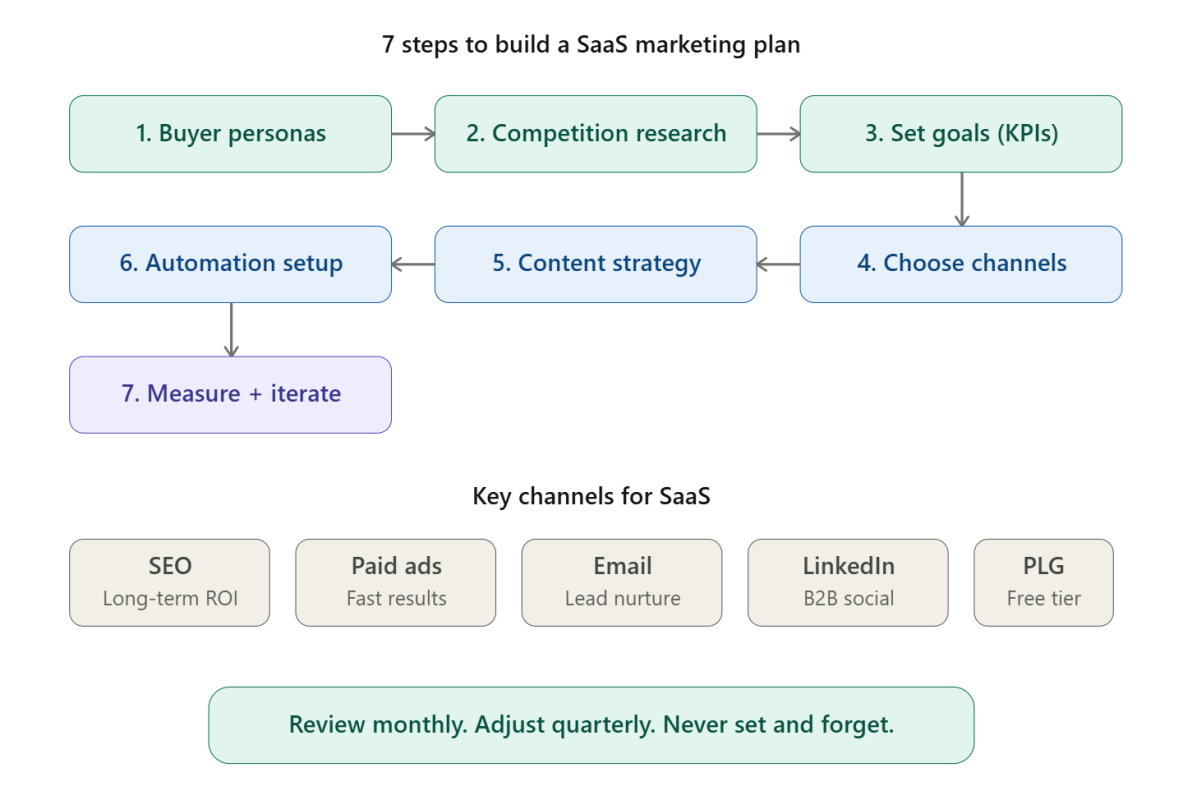
A SaaS marketing plan is not a slide deck that collects dust after the quarterly meeting. A good plan is a working document that connects your target audience to your product through specific, measurable actions.
Most SaaS companies struggle not because they lack marketing ideas, but because they lack a structured plan that ties those ideas to revenue. Here is a practical framework to build one.
What Makes SaaS Marketing Different
SaaS marketing operates on a subscription model. Winning a customer once is not enough. The customer needs to stay, renew, and ideally expand their usage over time. Every marketing decision should factor in both acquisition and retention.
The sales cycle is also longer than most industries. Buyers research, compare, run trials, and involve multiple stakeholders before committing. A SaaS marketing plan needs to address every stage of that journey, not just the first click.
Step 1: Define Your Buyer Personas

A buyer persona is a detailed profile of the person most likely to purchase your product. Start with 2 to 3 personas maximum. Each one should include:
- Job title and seniority level
- Company size and industry
- Primary pain points your product solves
- How they currently handle the problem (manual process, competitor tool, spreadsheets)
- Preferred content formats and channels
- Common objections to purchasing
Talk to existing customers to build these profiles. Sales call recordings, support tickets, and customer interviews reveal patterns that guesswork cannot match. Leading B2B marketing agencies build every campaign around validated personas rather than assumptions.
Step 2: Research Your Competition

Knowing what competitors are doing helps you identify gaps and opportunities. For each major competitor, document:
- Pricing structure and positioning
- Content topics they rank for
- Channels where they are most active (organic search, paid ads, social, email)
- Product strengths and weaknesses based on public reviews
- Messaging and brand voice
Use tools like Ahrefs, Semrush, or SpyFu to analyze competitor organic traffic and keyword strategies. Understanding what already ranks in your space prevents wasting effort on content that cannot compete.
Step 3: Set Measurable Goals
Vague goals like “grow brand awareness” do not drive action. SaaS marketing goals should be specific and tied to revenue metrics.
Effective SaaS marketing goals include:
- Generate 200 trial signups per month from organic search by Q3
- Reduce customer acquisition cost from $350 to $250 within 6 months
- Increase blog-to-trial conversion rate from 1.5% to 3%
- Grow monthly recurring revenue from content-attributed signups by 25%
Each goal needs a timeline, a baseline number, and a target. Without those three elements, progress cannot be tracked. According to CoSchedule’s annual marketing survey, marketers who set specific goals are 376% more likely to report success.
Step 4: Choose Your Marketing Channels

Not every channel works for every SaaS product. The right mix depends on your buyer personas, budget, and product complexity.
SEO and Content Marketing
Organic search is the most cost-effective long-term channel for SaaS. A blog targeting buying-intent keywords compounds traffic and signups over months and years. Partnering with experienced SaaS SEO agencies accelerates results.
Paid Advertising
Google Ads and LinkedIn Ads deliver faster results but require ongoing budget. Paid works best alongside SEO, capturing demand while organic rankings build. Start with retargeting and branded keywords before expanding to broader campaigns.
Email Marketing
Email nurtures leads who are not ready to buy yet. A welcome sequence for trial users, a drip campaign for blog subscribers, and a renewal reminder series for existing customers all contribute to revenue.
Social Media
LinkedIn is the primary social channel for B2B SaaS. Share product updates, customer stories, and insights from your team. Organic reach on LinkedIn still outperforms most other social platforms for B2B audiences.
Product-Led Growth
If your product has a free tier or trial, the product itself becomes a marketing channel. Users who experience value firsthand are more likely to convert and refer others. Tracking how AI writing tools use freemium models shows this approach in action.
Step 5: Build Your Content Strategy
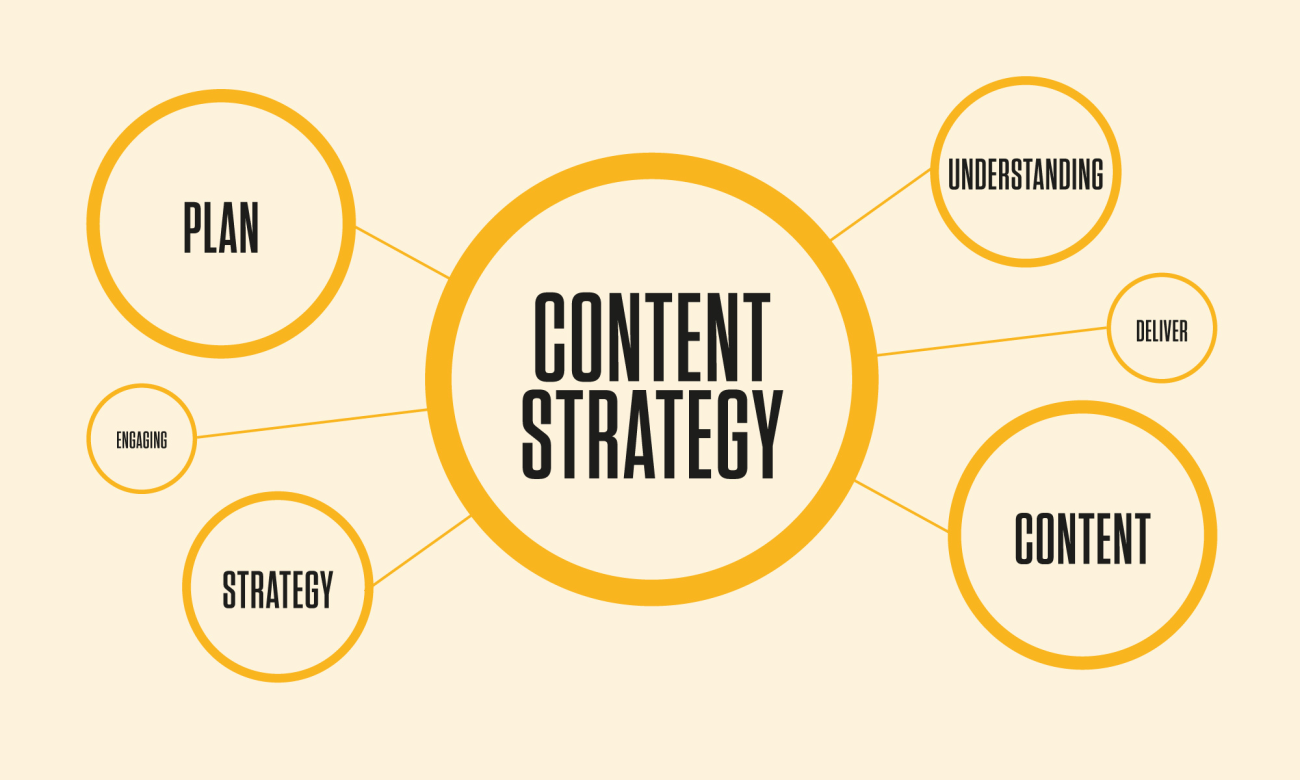
Content is the engine of most SaaS marketing plans. Structure your content calendar around the buyer journey.
Start with bottom-of-funnel content that targets buyers actively comparing solutions. Comparison posts, alternative roundups, and pricing guides should come first. Expand to middle-of-funnel pain-point content second. Top-of-funnel educational content comes last.
Plan content at least one quarter ahead. Assign clear ownership for each piece, including the writer, reviewer, and publishing date. A content calendar without deadlines and owners is just a wishlist.
Step 6: Set Up Marketing Automation
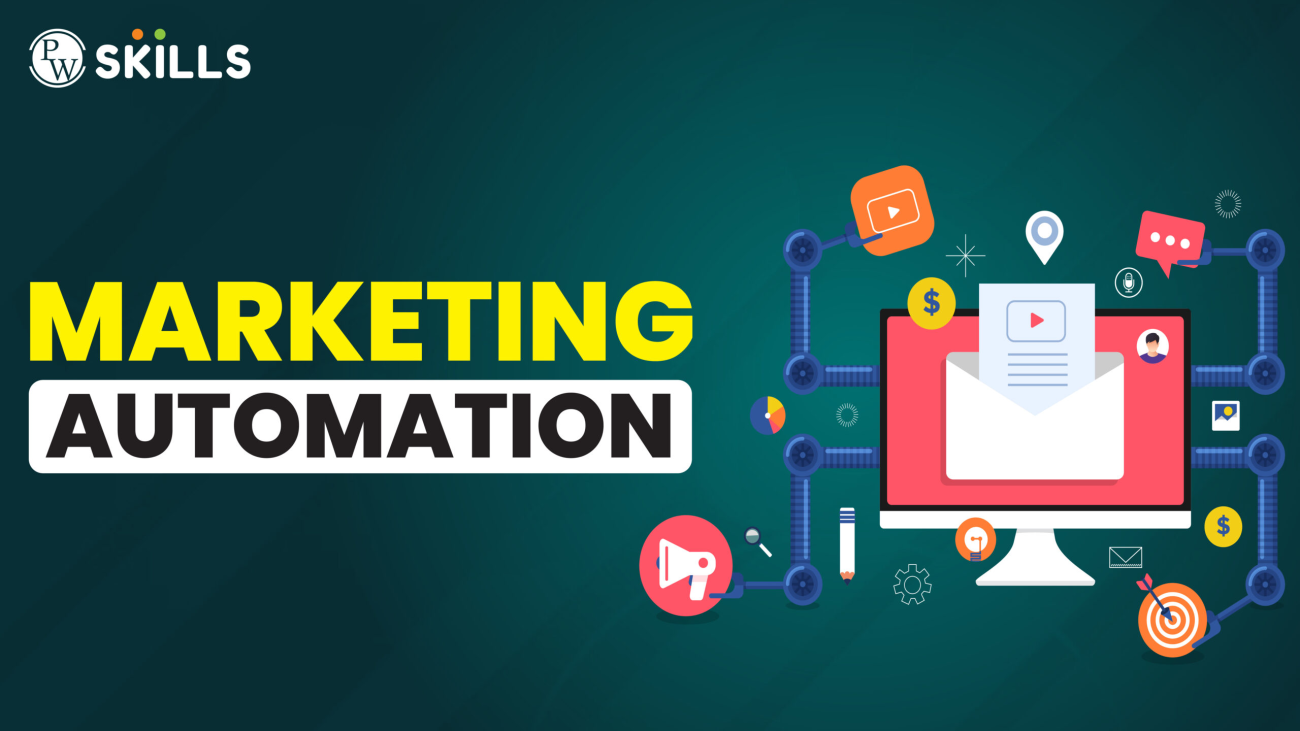
Manual follow-up does not scale. Marketing automation handles repetitive tasks so the team can focus on strategy and creative work.
Essential automations for SaaS include:
- Trial signup welcome emails
- Lead scoring based on website activity
- Drip sequences for blog subscribers
- Renewal and upsell reminders
- Churn risk alerts for customer success
Tools like HubSpot, ActiveCampaign, or Customer.io handle these workflows. The automation layer connects marketing effort to measurable outcomes at every stage.
Step 7: Measure and Iterate Monthly
A SaaS marketing plan is never finished. Review performance monthly against the goals set in Step 3. Key metrics to track include:
- Trial signups by channel
- Customer acquisition cost (CAC)
- Blog-to-trial conversion rate
- Email open and click rates
- Monthly recurring revenue from marketing-attributed customers
- Churn rate among marketing-acquired cohorts
When a channel underperforms, diagnose the cause before cutting budget. When a channel outperforms, double down. The plan should evolve based on data, not guesses.
Your Marketing Plan Starts With One Step
Building a complete SaaS marketing plan feels overwhelming, but every successful plan started with one clear action. Define your personas, pick your first channel, and publish your first BOTF blog post. Momentum builds from there.
Drop a comment with the biggest marketing challenge your SaaS team faces, or read our guide to content creation services for help executing your plan.
Frequently Asked Questions
What is a SaaS marketing plan?
A SaaS marketing plan is a structured document that identifies the target audience, defines marketing goals, selects channels, and outlines the content and campaigns needed to acquire and retain software customers.
How is SaaS marketing different from other marketing?
SaaS marketing focuses on recurring revenue, longer sales cycles, and continuous customer retention. Acquisition alone is not enough because customers can cancel subscriptions at any time.
What channels work best for SaaS marketing?
SEO and content marketing deliver the best long-term ROI. Paid ads, email, LinkedIn, and product-led growth all play supporting roles depending on the product and audience.
How many buyer personas should a SaaS company have?
Start with 2 to 3 personas. Each persona should represent a distinct segment of your customer base with unique pain points, buying behaviors, and objections.
How often should a SaaS marketing plan be updated?
Review the plan monthly for performance tracking and quarterly for strategic adjustments. Major product changes, market shifts, or new competitor entries may require more frequent updates.
What is the most important metric in a SaaS marketing plan?
Customer acquisition cost (CAC) relative to customer lifetime value (LTV) is the most important metric. A healthy SaaS business maintains an LTV-to-CAC ratio of at least 3:1.